Ross River School
Dahgáts’enehtān yéh gutie

We acknowledge and respect that Ross River School is located on the Territory of the Ross River Dena Council.
Kaska Dena people have lived in over 240,000 square kilometres of land in southeast Yukon, southern Northwest Territories, and north-western British Columbia for tens of thousands of years — long before the existence of provincial and territorial borders.
Tu Łī́dlini (Ross River), Yukon, home to the Ross River Dena Council, is situated near the confluence of the Ross and Pelly rivers, near the Campbell Highway and the North Canol Road.
Tu Łī́dlini is one of two Kaska Dena communities in Yukon.
What’s UP?!
NO BUS!
There will be NO BUS SERVICE this Wednesday, October 28th Please arrange for morning drop off & after school pick up.
Sorry for the inconvenience!
Parent-Guardian-Teacher Conferences
Tuesday November 2nd.
Please see the letters that went home, or call the office.
While Carter is away…
School Calendar
Our calendar is structured to reflect local Kaska ways of knowing and doing.
Our school year starts in late August, and Learners have multiple extended breaks throughout the year to spend time with their families while engaging in cultural activities.
Ross River School’s Growth Plan
-
Literacy
Our Educators are mandated to implement the English Language Arts curriculum, which emphasizes reading accuracy and comprehension.
We use the University of Florida Literacy Institute’s approach for Learners in Kindergarten through Grade 3, and Spellography and other resources for Learners in higher grades.
We have ensured that all our lessons in literacy connect to local Kaska culture and traditions.
-
Numeracy
Ross River School’s numeracy approach focuses on reasoning and analyzing, understanding and problem-solving, communicating and representing, connecting and reflecting, and incorporating Kaska worldviews and perspectives in connection with mathematical concepts.
-
Whole Child
All staff are currently working on designing the learning in their classrooms around Kaska Culture.
As Educators, we are using Kaska Culture to guide the learning in the classroom by adapting curriculum to local language and culture.
-
Land and Language
We aim to start each school year on the land.
Educators will be required to spend time on the land with the community, connecting local culture to the curriculum.
Welcome back from the principal…
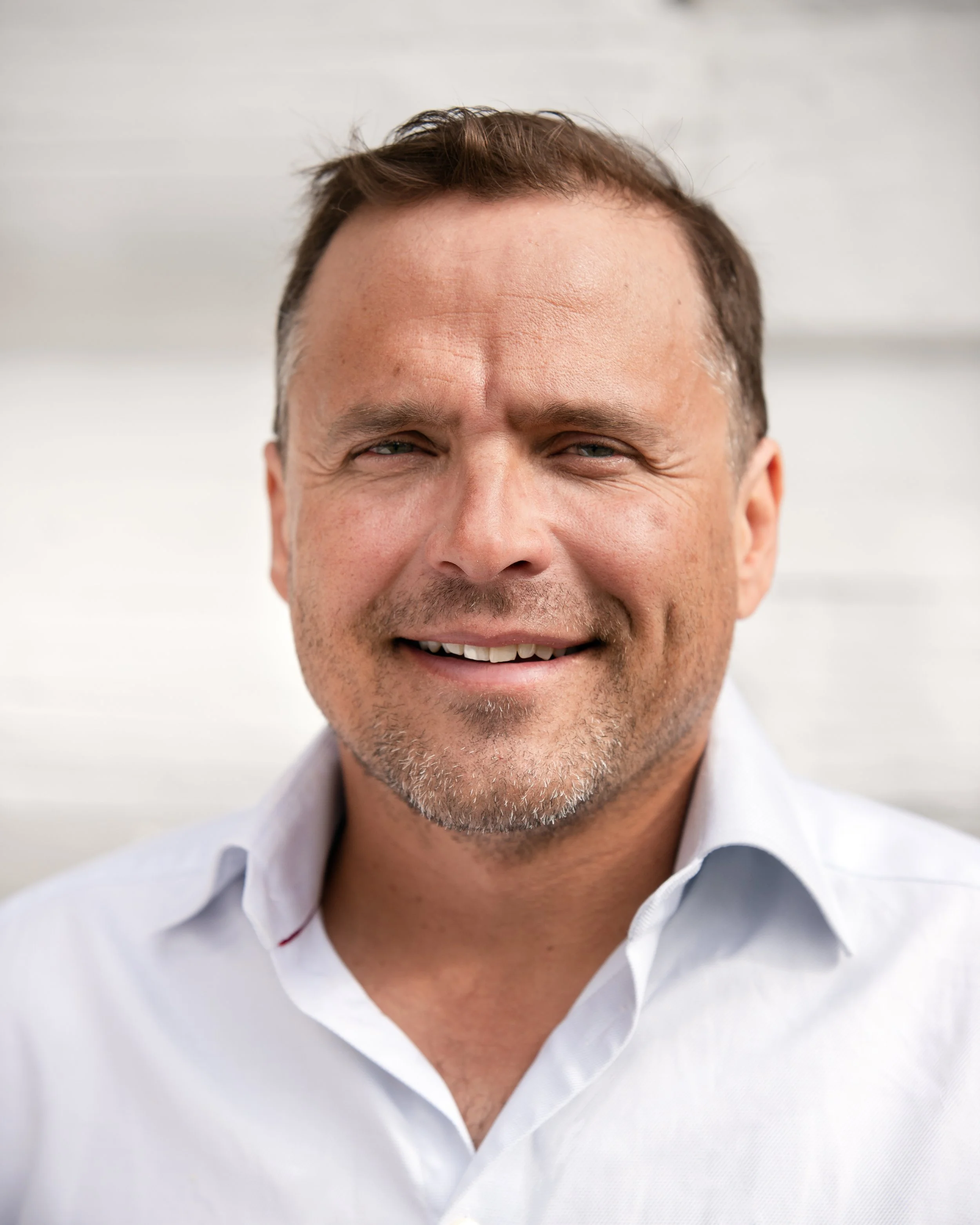
It is an honour and a privilege to live and work in the community of Ross River. I am incredibly grateful for the opportunity to support our learners and to help ensure they are given the best possible opportunities to succeed and become strong, successful members of their community.
Our school is committed to finding meaningful ways to make curriculum connections to the Kaska culture, learning on the land, and the needs of our community, while continuing to focus on literacy and numeracy success.
We are so fortunate to have an amazing school community, dedicated staff, supportive Chief and Council, our Community Committee, and so many wonderful community partners and supports. It is through these strong relationships that we are able to provide meaningful learning experiences and opportunities for our learners. We have so many exciting events and activities planned for the upcoming school year, and I look forward to continuing to build and strengthen our relationships with families and the broader community. Together, we can continue to make our school the best place to learn, grow, and be.
What makes FNSB schools different
Accountability
We take the words of past reports and the wisdom of our communities seriously. The Auditor General Reports of 2009 and 2019, the Joint Education Action Plan (JEAP), and the various reports from the Yukon Child and Youth Advocate (YCAO) have given us a clear map with checkpoints to ensure the needs of our Learners are met and our communities are heard and empowered. An overarching theme of these reports is accountability. You cannot have accountability without objective data and transparency.
Through our Yukon First Nation values, we have built all aspects of FNSB around this, especially how our schools operate and support our Learners' education. Everything from our school growth plans, to teacher evaluations, academic assessments, and the development of new data measures for cultural connection and belonging, FNSB is ensuring we are accountable to our Learners, families, First Nations, communities, and the public.
Together with local First Nations
We are changing what education looks like at Ross River School because local First Nation citizens are involved and leading everything from staffing and budgets to school rules and programming. Our school is a part of the community, not separate from it. Our Leadership Team includes education leaders from Ross River Dena Council, and our localized governance model of Community Committees, made up of citizens and families, enables our community to genuinely share the delivery of public education.
High Expectations, High Support
Ross River School follows the BC Curriculum, and we work with Ross River Dena Council to integrate local knowledge, histories, languages, and cultures with high academic rigour. We know true learning engages minds by reflecting lived experiences and fostering a sense of belonging. Our community should maintain high expectations of our Learners, and the Educators and School Teams entrusted to teach them. In reciprocity, all Learners, Educators, and families are supported through a localized First Nations approach, which is strengths-based and wraps around the whole person, not only one aspect.
Inclusive of all
All Learners, Educators, and families are welcome at Ross River School. Every decision we make holds our Learners and families at the centre. We provide education grounded in reconciliation. A Yukon First Nations model puts the whole Learner first through a strengths-based and community-centred approach. We all hold the privilege and the responsibility to learn about and from the people, teachings, and languages of this land.